
Two weeks into my “read every day” habit, I was feeling pretty smug. My streak was unbroken, I was devouring books at an unprecedented rate, and I’d even started a little reading journal. Then came the week from hell—a family emergency, a work crisis, and a surprise home repair issue all hitting simultaneously. My carefully constructed routine shattered completely, and my reading habit vanished along with it.
In the past, this would have been the end of the story. I would have beaten myself up for “failing,” seen it as evidence of some fundamental character flaw, and abandoned the habit entirely. But this time, something different happened.
After the chaos settled, I noticed an interesting thought pattern. I was telling myself a story that went something like this: “You broke your streak. You’ve lost all your momentum. It’s going to be twice as hard to start again, so why bother?” I realized this narrative wasn’t actually based on reality—it was just a familiar script I’d repeated to myself countless times before.
What if, instead of seeing this disruption as a complete reset, I viewed it as merely a temporary pause? Life isn’t a controlled environment—it’s messy, unpredictable, and occasionally overwhelming. Expecting perfect consistency through every life storm isn’t just unrealistic; it’s a recipe for perpetual disappointment.
I picked up my book the next day, starting with just five minutes—smaller than my normal reading time, but enough to reconnect with the habit. I was surprised to find that it didn’t feel like starting from scratch. The neural pathways were still there, just a bit dusty from disuse. Within a few days, I was back to my regular reading time, minus the pressure of a “perfect streak.”
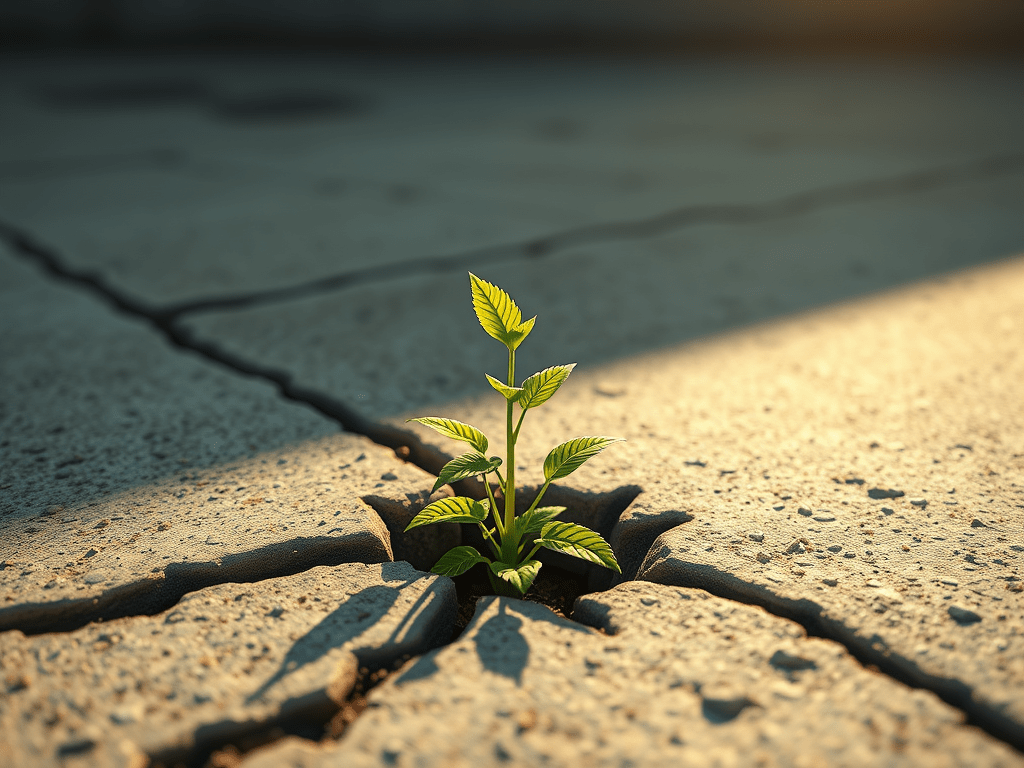
This experience taught me that resilience in habit formation isn’t about never falling off track—it’s about how quickly you get back on. Now I build “comeback plans” into every habit I develop: if X happens and I miss a few days, my simplified restart protocol is Y. Having this contingency removes the shame spiral and gives me a clear, actionable path back to consistency after inevitable life disruptions. The goal isn’t perfection—it’s developing the skill of returning, again and again, without judgment.


 Ripple Habit