How to Become a Runner in 30 Days (By Starting Embarrassingly Small)
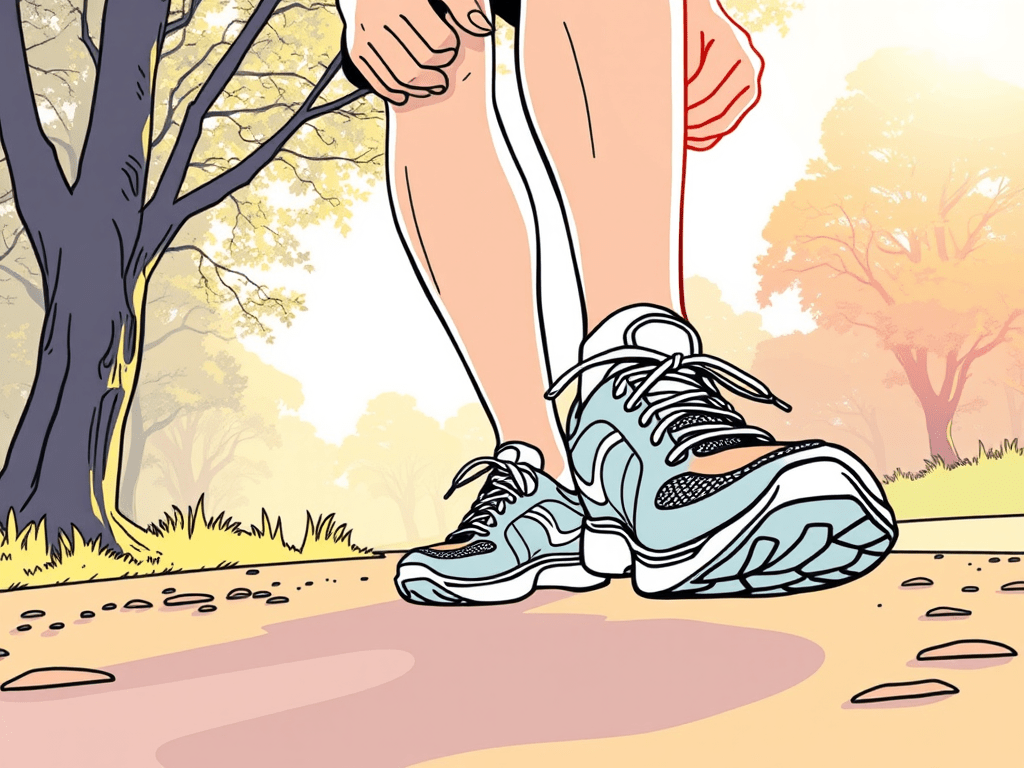
If you’re waiting to feel motivated to start running, don’t. Motivation is unreliable. It shows up late, bails early, and flakes when it’s cold or raining. What works instead? A laughably small plan you can’t talk yourself out of. I’m talking “put on shoes and step outside” level small. That’s where the habit starts.
Most new runners go too hard out of the gate—20-minute jogs, fancy tracking apps, interval workouts. They make it five days, get sore, skip a day, feel bad, then quit. That’s a motivation-based plan. What you need is an identity-based one. Your real goal isn’t to run every day. It’s to become a runner.
Here’s how: instead of focusing on distance or speed, focus on frequency. Run (or walk-jog) every day for 30 days, even if it’s just for 60 seconds. The behavior has to be so easy you can do it even when you’re tired, busy, or grumpy. That’s how habits survive real life.
In psychology, this is called “minimum viable behavior.” James Clear writes about it. BJ Fogg researched it. And it works. Once a habit becomes automatic, you no longer waste mental energy deciding. You just do it. That’s the win. Whether you ran a mile or down the driveway doesn’t matter. What matters is you did it again.
Want to make this stick faster? Design your environment to make running the default. Lay out your socks, shoes, and gear by the door. Have your playlist ready. If you run in the morning, go to bed in your running clothes. The less friction, the fewer excuses. This isn’t just a hack—it’s behavioral architecture. Your environment is either nudging you forward or holding you back.
Now let’s talk identity. Saying “I have to run today” is totally different than “I’m a runner.” One is a chore. The other is who you are. The more you act like a runner—even if you’re slow, even if it’s only for 2 minutes—the more you reinforce that identity. Your brain takes cues from what you do, not what you say.
This shift in identity isn’t fluffy self-help stuff. Research from the University of Nottingham shows that people who connect actions to identity changes (e.g., “I’m a non-smoker” vs. “I’m trying to quit”) are more likely to stick with behavior change long-term. The habit isn’t the goal—the transformation is.
Quick but important caveat: use common sense. If you have a history of heart issues, joint problems, or you’re pregnant—or if it’s just been a while since you exercised regularly—check with your doctor before starting any new workout habit, even a small one. Pain that sharpens, lingers, or messes with your daily life? Don’t power through. Rest, adjust, or get it checked out. You’re building a lifelong habit here—not trying to win a medal on day 12.
🗓️ The 30-Day Plan (Step-by-Step)
Day 1–3:
Just put on your shoes and walk out the door. That’s the entire habit. If you feel like walking for a minute, great. But even if you don’t, the win is showing up. Build the ritual first.
Day 4–6:
Walk for 2 minutes. Optional: jog for 15–30 seconds if you want. Keep the pressure low. Track your consistency, not your pace. Streak > intensity.
Day 7–9:
Jog lightly for 1 minute, walk for 2. Total time: 5–7 minutes. Still keeping it short. The only rule is: don’t skip. Lay out your gear the night before.
Day 10–12:
Jog 2 minutes, walk 1 minute. Repeat once or twice. Total: 6–10 minutes max. Start saying it out loud (or in your head): “I’m a runner.”
Day 13–15:
Go for 10 straight minutes at a comfortable pace. No walking unless you need it. You’ll start noticing it feels less weird. That’s momentum.
Day 16–18:
Alternate 2 minutes running, 1 minute walking for up to 15 minutes. Start experimenting with when you prefer to run—morning, evening, etc.
Day 19–21:
Pick a set time and stick to it. Same time each day. Lock it in. This turns habit into routine. Run/walk as needed. Keep it easy.
Day 22–24:
Run continuously for 12–15 minutes. Don’t worry about speed. The goal is to keep going, even if it’s slow. You’re building endurance and identity.
Day 25–27:
Try a “fun run” route—somewhere scenic or new. Add small challenges: a hill, a longer distance, a new playlist. Keep the habit fresh.
Day 28–30:
Run 15–20 minutes straight. You’ve done it. You have a real running habit now. You’ve shown up 30 times, built consistency, and reshaped how you see yourself.
By the end of this, your body will feel stronger. But more importantly, your belief will be different. You won’t be someone trying to run. You’ll be a runner. And the beauty of that is—you can build on it for life. No burnout. No shame. Just a simple system that worked, because it started small and stuck.
Want to keep going? You’ve already built the hard part: consistency. Now you can scale. But always remember—it started with just one step out the door.
Remember: The goal isn’t to become an elite athlete. It’s to become someone who doesn’t question whether they’ll run today—they just do it. That’s the real finish line.


 Ripple Habit
Leave a comment