
Turn Down-Time Into Build-Time: The Power of Micro-Habits in Dead Time
Most of your day is filled with moments you don’t notice: waiting for your pasta to boil, the coffee to brew, the Zoom call to start. These pockets of time feel useless—but they’re perfect real estate for habit formation. These aren’t chores. They’re opportunities.
Think of these as the “margins” of your day. You don’t need 30 minutes of free time to build something meaningful. You need 30 seconds and a plan. In behavioral research, these are known as “contextual windows.” According to The British Journal of Health Psychology (2019), the best time to introduce a behavior is during a context shift—when one activity ends, and another hasn’t begun. It’s in those in-between moments that your brain is most receptive to new routines.
So instead of scrolling TikTok while your soup heats up, you stack something micro and meaningful.
Example: “While I microwave lunch, I’ll write one thing I want to complete this afternoon.”
This grounds your day in clarity. It turns mental clutter into a concrete next step. You just used dead time to get more alive.
Why These Margins Matter
A 2018 study in Nature Human Behaviour showed that people who practiced short, low-effort mental resets throughout the day—like breathing, planning, or affirming intentions—reported significantly better mood and productivity than those who didn’t. These benefits weren’t from doing more. They were from being intentional with micro-moments.
Another study from Occupational Health Psychology showed that 1- to 3-minute “transition habits” improved focus and decreased burnout in high-stress professionals. These are exactly the kinds of behaviors that fit beautifully into the dead spaces of the day.
Examples You Can Use Today
Want to turn your in-between time into something valuable? Here are a few dead-time stacks, grounded in real research and totally frictionless:
- While brushing teeth at night, do 10 seconds of diaphragmatic breathing. Activates the parasympathetic nervous system. Sleep quality improves (see Journal of Clinical Sleep Medicine, 2015).
- When the kettle is boiling, stand up tall and stretch arms overhead. Promotes circulation and breaks static posture—key for anyone sitting more than 6 hours/day (J Appl Physiol, 2017).
- When the Netflix intro rolls, do one slow spinal twist or one squat. Cue-based physical activation like this can create a “trigger” habit that leads to more spontaneous movement (J Behav Med, 2016).
These aren’t tasks. They’re bridges. From distraction to intention. From autopilot to action.
One Minute Can Change the Vibe of the Day
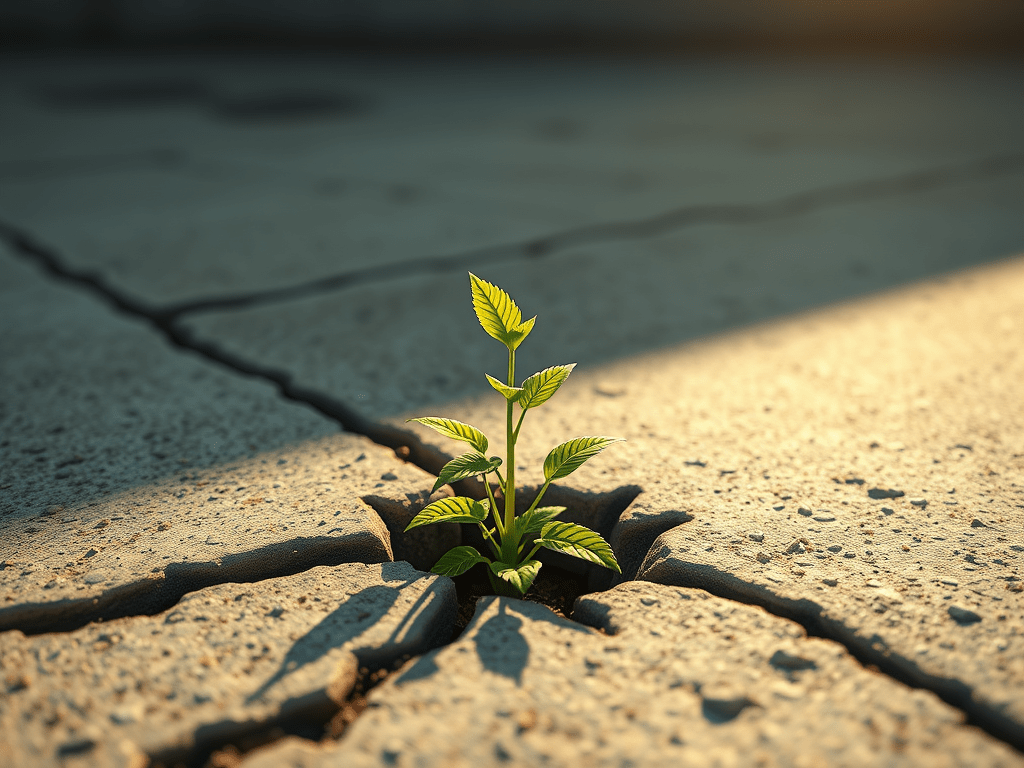
You don’t need to overhaul your calendar. You need to reclaim the cracks in it. Those little pockets of time? They’re not throwaways. They’re launchpads. The goal is never to do something big. It’s to do something automatic—so often and so easily that it becomes part of the rhythm of your life.
Use dead time to your advantage. Stack the smallest possible action into the smallest possible window. Watch what happens.
Ripple Stack of the Week:
When I open the microwave door, I’ll say out loud one thing I’m about to focus on.
Clarity, cooked in 90 seconds or less.

 Ripple Habit
Leave a comment